
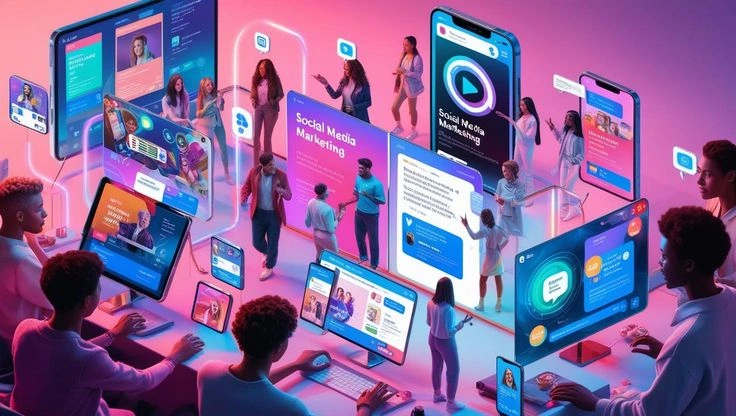
Marketing has changed more in the past decade than in the last 50 years, and the shift isn’t slowing down. As customers move online and technology continues to evolve, digital marketing has become the core of every successful business strategy. Whether it’s social media, SEO, content creation, or artificial intelligence, brands that adapt to digital trends grow faster, reach wider audiences, and build stronger customer relationships. This blog explores why the future of marketing is digital — and how businesses can prepare for it.
1. The Rise of Digital-First Consumers
Today’s consumers are constantly connected — shopping, learning, and interacting online. This shift has made digital platforms the primary space where brands must compete. Modern customers expect:
- Instant information
- Personalized experiences
- Seamless online interactions
- Mobile-friendly content
Brands that fail to meet these expectations risk losing customers to digitally smarter competitors.
2. Social Media: The New Marketplace
Social media has transformed how businesses communicate. Platforms like Instagram, Facebook, TikTok, and LinkedIn have become essential for:
- Brand awareness
- Customer engagement
- Community building
- Influencer partnerships
- Social commerce
With billions of active users, social media allows brands to reach audiences faster and more effectively than traditional advertising ever could.
3. Content Marketing Drives Trust and Authority
Content is the heart of digital marketing. High-quality content helps brands:
- Educate their audience
- Build credibility
- Increase website traffic
- Improve SEO rankings
- Drive conversions
Blogs, videos, infographics, and podcasts all play a key role in shaping brand identity and influencing buying decisions.
4. SEO: The Backbone of Digital Visibility
Search Engine Optimization remains one of the most important tools for long-term growth. With more searches happening every second, businesses that rank higher on Google gain:
- More organic traffic
- Increased credibility
- Better brand visibility
- Higher conversion potential
SEO continues to evolve with AI, voice search, and user intent — making it essential for future-focused marketing.
5. Data-Driven Decision Making
Digital marketing allows brands to make smarter decisions using real-time data. Tools like Google Analytics, Meta Insights, and CRM systems help businesses track:
- Customer behavior
- Conversion paths
- Campaign performance
- Trends and patterns
This data helps marketers optimize strategies, reduce costs, and improve results — something traditional marketing could never deliver with such precision.
6. AI and Automation Are Transforming Marketing
Artificial Intelligence and automation are shaping the future of digital marketing. They enable:
- Personalized recommendations
- Automated ads
- Chatbots for customer service
- Predictive analytics
- Faster campaign management
AI helps marketers work smarter, not harder, and deliver better experiences at scale.
7. Video Marketing Is Dominating the Online World
Video content continues to be the most engaging form of digital marketing. Reels, Shorts, YouTube videos, and live streaming are powerful tools for:
- Storytelling
- Product demonstrations
- Customer testimonials
- Brand awareness
With short attention spans and video-first platforms, video marketing will only grow stronger in the future.
8. E-commerce and Digital Payments Accelerate Growth
Online shopping and digital payments have become a standard part of everyday life. Brands that integrate:
- Online stores
- Seamless checkout
- Digital wallets
- Secure payment systems
…are able to attract more customers and increase sales dramatically.
The future of marketing is undeniably digital. As technology advances and consumer behavior continues to evolve, businesses must embrace digital strategies to stay relevant and competitive. From social media and SEO to AI-powered tools and video content, digital marketing offers limitless opportunities for growth. Brands that adapt quickly, innovate consistently, and focus on creating meaningful online experiences will lead the future of marketing.